

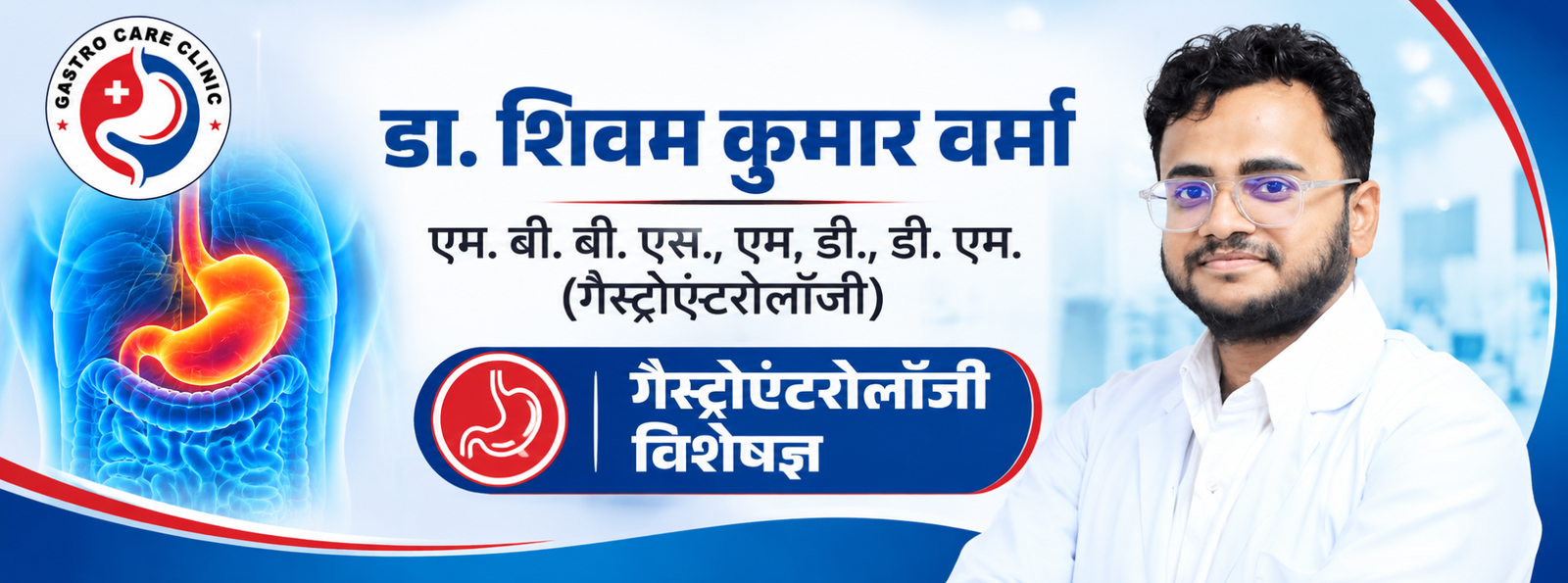
Ulcer Treatment in Gorakhpur by Dr. Shivam Kumar Verma
Stomach ulcers, also known as peptic ulcers, are open sores that develop on the lining of the stomach or the first part of the small intestine, called the duodenum. If left untreated, ulcers can sometimes cause complications such as bleeding or perforation.
If you are experiencing recurring stomach pain, acidity, burning, nausea, vomiting, bloating or digestive discomfort, consulting an experienced gastroenterologist can help identify the underlying cause.
Dr. Shivam Kumar Verma, a gastroenterology specialist in Gorakhpur, provides evaluation and treatment for various stomach, liver, intestine and digestive disorders.
What Is a Stomach Ulcer?
A peptic ulcer is a sore that develops in the lining of the stomach or duodenum. The two major causes of peptic ulcers are Helicobacter pylori (H. pylori) infection and the prolonged or inappropriate use of certain pain-relieving medicines called NSAIDs, such as ibuprofen, aspirin and naproxen.
Early diagnosis and appropriate treatment can help an ulcer heal and reduce the risk of complications.
Common Symptoms of Ulcers
Ulcer symptoms can vary from person to person. Common symptoms may include:
- Burning or aching pain in the upper abdomen
- Stomach discomfort between the breastbone and belly button
- Pain when the stomach is empty or at night
- Bloating
- Nausea or vomiting
- Frequent belching
- Feeling full quickly while eating
- Feeling excessively full after meals
- Loss of appetite in some patients
Some people with peptic ulcers may have few or no symptoms until a complication develops.
What Causes Stomach Ulcers?
1. H. Pylori Infection
H. pylori is a common bacterial infection associated with peptic ulcer disease. Identifying and treating the infection is an important part of ulcer management.
2. Painkiller Medicines
Regular or prolonged use of NSAID painkillers such as aspirin, ibuprofen and naproxen can damage the stomach lining and increase the risk of ulcers.
3. Smoking
Smoking can increase the risk of ulcers and may slow the healing process. Quitting smoking can support ulcer healing and reduce future risk.
4. Other Digestive Conditions
Certain stomach and digestive disorders can also contribute to ulcer formation or complications. Your gastroenterologist can determine the underlying cause through appropriate evaluation.
How Are Ulcers Diagnosed?
A gastroenterologist may evaluate your symptoms, medical history and medications before recommending appropriate investigations.
Depending on the symptoms, tests may include:
- H. pylori testing
- Blood tests
- Stool tests
- Urea breath test
- Upper GI endoscopy
- Endoscopy with biopsy when required
Upper GI endoscopy allows the doctor to directly examine the esophagus, stomach and duodenum and can help confirm an ulcer and identify possible causes.
Ulcer Treatment in Gorakhpur
Treatment depends on the cause and severity of the ulcer.
Medicines to Heal the Ulcer
Doctors may prescribe medicines such as proton pump inhibitors (PPIs), H2 blockers or other medicines to reduce stomach acid and allow the ulcer to heal.
H. Pylori Treatment
If testing confirms an H. pylori infection, treatment generally involves a combination of antibiotics and acid-reducing medicines. Completing the prescribed course is important to help eliminate the infection and reduce recurrence.
Managing NSAID-Related Ulcers
If an ulcer is associated with NSAID painkillers, the doctor may recommend changing, reducing or stopping the medicine when medically appropriate. Never stop a prescribed medicine without discussing it with your doctor.
When Is an Ulcer an Emergency?
Certain symptoms may indicate ulcer bleeding or another serious complication.
Seek urgent medical attention if you experience:
- Black or tar-like stools
- Blood in the stool
- Vomiting blood
- Vomit resembling coffee grounds
- Sudden severe abdominal pain
- Severe dizziness or fainting
- Rapid heartbeat or weakness
These symptoms can indicate gastrointestinal bleeding or another complication and require prompt medical evaluation.
Can Ulcers Be Prevented?
Some risk factors can be reduced by:
- Avoiding unnecessary NSAID painkillers
- Following your doctor’s instructions when NSAIDs are medically necessary
- Testing and treating H. pylori when appropriate
- Quitting smoking
- Taking prescribed medicines exactly as directed
- Getting medical evaluation for persistent stomach pain or digestive symptoms
There is no single special diet proven to prevent or treat peptic ulcers. However, individual foods may worsen symptoms in some people, so discussing persistent symptoms with a doctor is important.
Why Consult a Gastroenterologist for Ulcer Treatment?
Persistent acidity, abdominal pain, indigestion or vomiting should not always be treated as simple gas or acidity. A gastroenterologist can assess the symptoms, identify the underlying cause and recommend appropriate investigations and treatment.
Dr. Shivam Kumar Verma provides consultation for stomach and digestive problems, including ulcers, gastritis, acidity, liver disorders, intestinal problems and other gastrointestinal conditions.
Best Gastro Doctor in Gorakhpur – Dr. Shivam Kumar Verma
If you are searching for a gastro doctor in Gorakhpur, ulcer treatment in Gorakhpur, or a specialist for recurring stomach pain and digestive problems, consult Dr. Shivam Kumar Verma for proper evaluation and personalized medical advice.
Gastro Care Clinic
Dr. Shivam Kumar Verma
MBBS, MD (Medicine), BHU, DM (Gastro)
Former Assistant Professor, BRD Medical College, Gorakhpur
Location: Beyond AIIMS Thana, Singhariya Chauraha, Gorakhpur, Uttar Pradesh
Appointment: 9569538588 / 9569500988
For persistent stomach pain, acidity, vomiting, black stools or suspected ulcer symptoms, timely consultation can help identify the problem and prevent serious complications.
Frequently Asked Questions About Ulcers
Is a stomach ulcer serious?
Many ulcers can heal with appropriate treatment, but untreated ulcers can sometimes cause bleeding, perforation or blockage.
What is the most common cause of stomach ulcers?
The two major causes are H. pylori infection and the use of NSAID pain-relieving medicines.
Can an ulcer be treated without surgery?
Many peptic ulcers are treated with medicines and by addressing the underlying cause. Surgery is generally reserved for selected cases, including certain complications or ulcers that do not heal with appropriate treatment.
Is endoscopy required for an ulcer?
Depending on your symptoms and medical history, a gastroenterologist may recommend an upper GI endoscopy to confirm an ulcer, investigate its cause or evaluate complications.
When should I see a gastroenterologist?
If you have recurring upper abdominal pain, persistent acidity, nausea, vomiting, unexplained digestive problems or symptoms that are not improving, consult a gastroenterologist for proper evaluation.
Disclaimer: This article is for general health information and does not replace an in-person medical consultation or individualized treatment plan.