

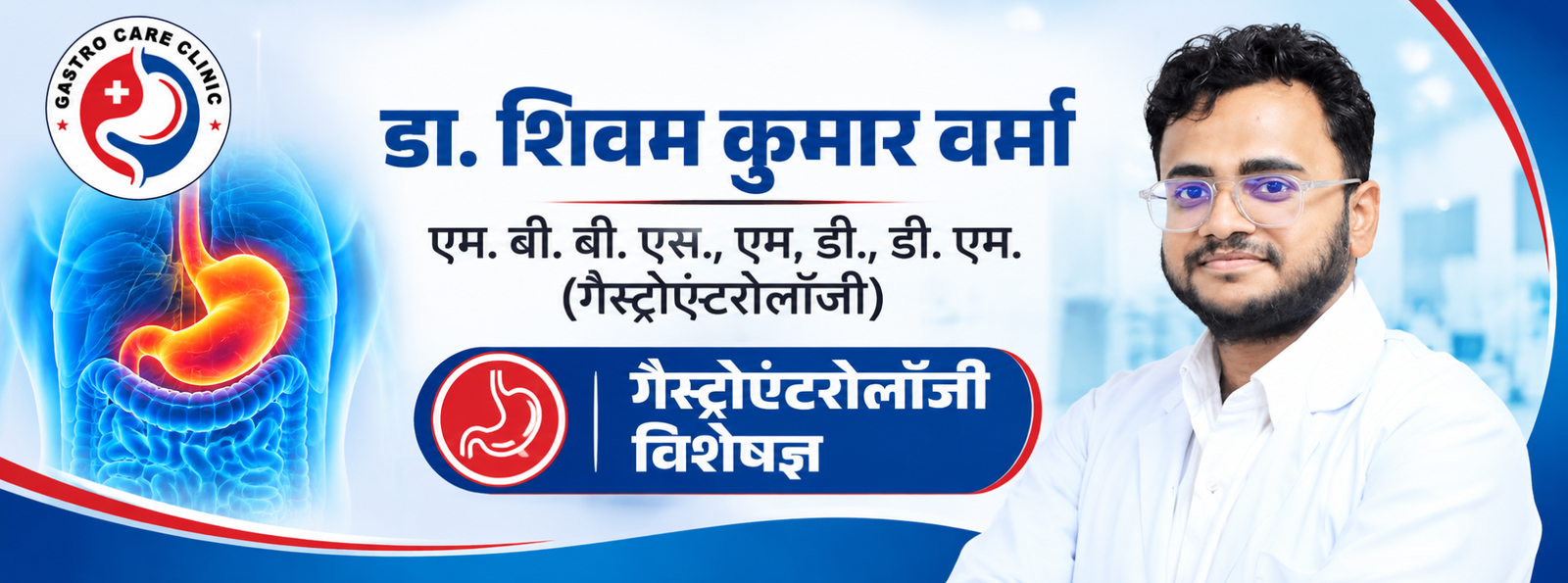
Colorectal Surgery in Gorakhpur – Dr. Shivam Kumar Verma | Gastro Care Clinic
colorectal surgery, its types, symptoms, diagnosis and treatment options. Consult Dr. Shivam Kumar Verma at Gastro Care Clinic, Gorakhpur, for expert gastroenterology consultation.
Focus Keyword: Colorectal Surgery in Gorakhpur
Secondary Keywords: Best Gastroenterologist in Gorakhpur, Dr. Shivam Kumar Verma, Gastro Care Clinic Gorakhpur, Piles Treatment, Fissure Treatment, Fistula Treatment, Colon and Rectal Diseases.
Colorectal Surgery in Gorakhpur: Symptoms, Causes, Diagnosis and Treatment
Colorectal health plays an important role in maintaining a healthy digestive system. The colon (large intestine), rectum and anus are responsible for absorbing water, processing waste and eliminating stool from the body. Various conditions, including piles, anal fissures, fistulas, colorectal polyps and colorectal cancer, can affect these organs and sometimes require surgical treatment.
If you are experiencing persistent constipation, rectal bleeding, abdominal discomfort or pain during bowel movements, seeking timely medical advice is important. At Gastro Care Clinic, Gorakhpur, Dr. Shivam Kumar Verma, MBBS, MD (Medicine), BHU, DM (Gastro), provides gastroenterology consultations and guidance for digestive health problems.
What Is Colorectal Surgery?
Colorectal surgery is a specialised branch of surgery that focuses on diseases affecting the colon, rectum and anus. Depending on the condition, treatment may involve medication, lifestyle modifications, minimally invasive procedures or surgery.
Colorectal surgery may be recommended for conditions that do not respond to conservative treatment or require surgical intervention. The appropriate treatment depends on the patient’s symptoms, diagnosis, overall health and the severity of the disease.
Common Conditions That May Require Colorectal Surgery
1. Piles (Haemorrhoids)
Piles are swollen blood vessels in or around the anus and lower rectum. Common symptoms include painless rectal bleeding, itching, discomfort and a lump around the anus. Treatment may include dietary changes, medicines, minimally invasive procedures or surgery, depending on severity.
2. Anal Fissure
An anal fissure is a small tear in the lining of the anus. It commonly causes sharp pain during bowel movements, burning sensations and sometimes bright red bleeding. Treatment often begins with medicines, adequate hydration, fibre-rich foods and stool-softening measures. Surgery may be considered in selected chronic cases.
3. Anal Fistula
An anal fistula is an abnormal tunnel connecting the anal canal to the skin near the anus. It can develop following an infection or an anal abscess. Symptoms may include persistent discharge, pain, swelling and recurrent infections. Treatment often requires a surgical procedure, depending on the fistula’s location and complexity.
4. Colorectal Polyps
Colorectal polyps are abnormal growths that develop on the inner lining of the colon or rectum. Most are benign, but certain types can develop into colorectal cancer over time. Colonoscopy can help detect and remove many polyps.
5. Colorectal Cancer
Colorectal cancer affects the colon or rectum. Warning signs may include blood in the stool, unexplained weight loss, persistent changes in bowel habits, anaemia and abdominal discomfort. Treatment may involve surgery, chemotherapy, radiotherapy or a combination, depending on the stage and location of the cancer.
Symptoms That Should Not Be Ignored
Common warning signs of colorectal diseases include:
- Blood in the stool or rectal bleeding.
- Persistent constipation or diarrhoea.
- Pain or discomfort during bowel movements.
- Unexplained abdominal pain or bloating.
- Changes in stool shape or bowel habits.
- Unexplained weight loss or fatigue.
- Recurrent swelling or discharge around the anus.
Persistent rectal bleeding or unexplained changes in bowel habits should be medically evaluated rather than automatically attributed to piles.
Diagnosis of Colorectal Diseases
Accurate diagnosis helps doctors determine the appropriate treatment. Depending on the patient’s symptoms, investigations may include:
- Physical examination: Assessment of abdominal and anorectal symptoms.
- Colonoscopy: Examination of the colon and rectum using a flexible camera.
- Sigmoidoscopy: Examination of the rectum and lower part of the colon.
- Biopsy: Examination of a tissue sample when an abnormal growth is suspected.
- CT scan or MRI: Imaging to assess certain colorectal conditions, including cancer.
• 6. Blood tests: Assessment of anaemia, inflammation and general health.
Treatment Options for Colorectal Diseases
Treatment varies according to the diagnosis and severity of the condition.
- Lifestyle modifications: Increasing dietary fibre, drinking adequate water and maintaining regular physical activity can help manage some bowel problems.
- Medications: Certain conditions, including uncomplicated anal fissures and piles, may improve with appropriate medication.
- Minimally invasive procedures: Selected haemorrhoids and colorectal polyps can be treated using endoscopic or other minimally invasive techniques.
- Laparoscopic surgery: Certain colorectal conditions can be managed using minimally invasive surgical techniques.
- Open colorectal surgery: May be required for complex diseases, large tumours or certain emergency conditions.
For colorectal cancer, treatment may involve surgery, chemotherapy or radiotherapy, depending on the diagnosis and stage.
When Should You Consult a Gastroenterologist?
You should consult a qualified doctor if you experience persistent digestive problems, rectal bleeding, unexplained abdominal pain or recurring anal discomfort. Early assessment can help identify the cause and determine whether medication, further investigation or a surgical consultation is needed.
Severe abdominal pain, heavy rectal bleeding, fainting or inability to pass stool or gas with abdominal swelling requires urgent medical attention.
Consult Dr. Shivam Kumar Verma at Gastro Care Clinic, Gorakhpur
Dr. Shivam Kumar Verma
MBBS, MD (Medicine), BHU, DM (Gastro)
Gastroenterologist
Gastro Care Clinic, Gorakhpur
Clinic Address
Beyond AIIMS Thana, Singhariya Chauraha, Gorakhpur, Uttar Pradesh
Appointment
9569538588 / 9569500988
Dr. Shivam Kumar Verma provides gastroenterology consultations for digestive health problems, including conditions that may require further colorectal evaluation. Surgical treatment, when necessary, should be planned with an appropriately qualified colorectal surgeon.