

ERCP (Endoscopic Retrograde Cholangiopancreatography): Procedure, Uses, Benefits & Recovery
Introduction to ERCP
ERCP (Endoscopic Retrograde Cholangiopancreatography) is a specialized endoscopic procedure used to diagnose and treat problems affecting the bile ducts, gallbladder and pancreatic ducts. It is commonly used to manage conditions such as bile duct stones, bile duct blockages, narrowing of the bile ducts and certain pancreatic disorders.
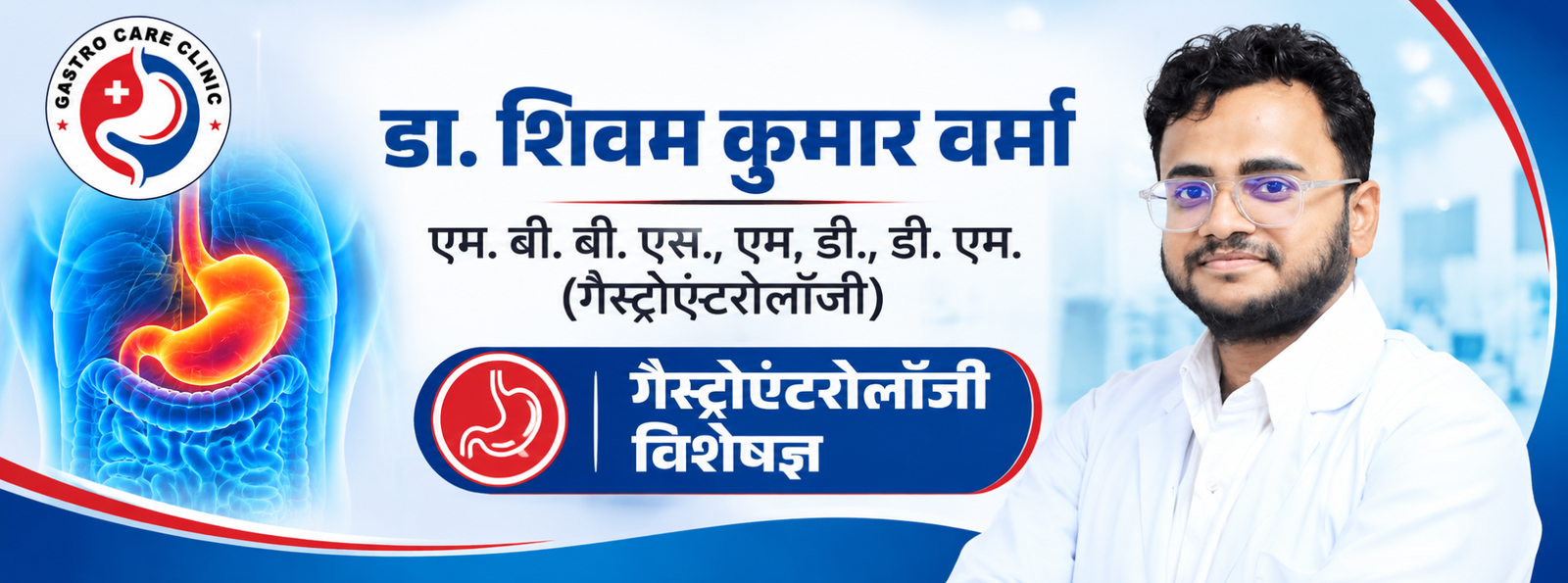
If you are experiencing jaundice, abdominal pain or other symptoms related to bile duct obstruction, consulting an experienced gastroenterologist can help determine whether ERCP is appropriate. Dr. Shivam Kumar Verma, Gastroenterologist in Gorakhpur, provides consultation for digestive, liver, pancreatic and biliary conditions at Gastro Care Clinic.
What Is ERCP?
ERCP is a minimally invasive procedure that combines endoscopy and X-ray imaging to examine and treat problems in the bile and pancreatic ducts.
During the procedure, a thin, flexible instrument called an endoscope is passed through the mouth into the small intestine. A small amount of contrast dye is introduced into the ducts, allowing doctors to view them using X-rays. If necessary, the doctor can remove stones, insert a stent or perform other treatments during the same procedure.
ERCP is now primarily used for treatment rather than diagnosis alone because non-invasive tests such as MRCP and ultrasound can often identify duct-related problems.
When Is ERCP Required?
A gastroenterologist may recommend ERCP for several medical conditions, including:
- Common Bile Duct Stones: ERCP can help remove stones that become trapped in the bile duct and obstruct the normal flow of bile.
- Obstructive Jaundice: It may help relieve jaundice caused by blockages in the bile ducts.
- Bile Duct Strictures: ERCP can help treat abnormal narrowing of the bile ducts using balloon dilation or stent placement when appropriate.
- Bile Duct Infections: In selected cases of acute cholangitis, ERCP can drain an infected, obstructed bile duct.
- Pancreatic Duct Disorders: ERCP may be used to treat certain pancreatic duct obstructions and leaks.
- Bile Duct Injuries: Selected bile leaks following surgery or injury may be managed with endoscopic stenting.
- Biliary Obstruction Due to Tumours: ERCP can help relieve obstruction by placing a suitable biliary stent.
How Is the ERCP Procedure Performed?
ERCP is generally performed in a hospital or suitably equipped endoscopy unit. The procedure typically involves the following steps.
1. Preparation: The patient is usually asked to fast before the procedure. The doctor reviews medical history, medications, allergies and relevant test reports.
2. Sedation or Anaesthesia: Sedation or anaesthesia is provided to improve comfort and ensure patient safety.
3. Insertion of the Endoscope: A flexible endoscope is gently passed through the mouth, oesophagus and stomach into the duodenum.
4. Contrast Dye and Imaging: A small catheter is used to inject contrast dye into the bile or pancreatic ducts. X-ray images help identify stones, narrowing or blockages.
5. Treatment: Depending on the findings, the gastroenterologist may remove stones, widen a narrowed duct, perform a sphincterotomy or insert a stent.
6. Recovery: After the procedure, the patient is monitored for a period to check for any immediate complications. Discharge timing depends on the patient’s condition and the complexity of the procedure.
Benefits of ERCP
ERCP can provide important therapeutic benefits for appropriately selected patients.
- Helps remove stones from the common bile duct.
- Relieves certain types of biliary obstruction.
- Can reduce jaundice caused by treatable blockages.
- Allows bile duct drainage through stent placement.
- Treats selected pancreatic duct conditions.
- May avoid the need for certain open surgical procedures.
- Combines diagnosis and treatment during the same procedure when necessary.
Risks and Complications of ERCP
Although ERCP is an established medical procedure, it carries certain risks. Possible complications include:
- Pancreatitis: Inflammation of the pancreas is one of the most common complications.
- Bleeding: This can occur, particularly after a sphincterotomy.
- Infection: Infection of the bile ducts may occur, especially if drainage is incomplete.
- Perforation: Rarely, a tear can develop in the digestive tract or duct.
- Sedation-related complications: Breathing or cardiovascular problems may occur.
Patients should contact their doctor immediately if they develop severe abdominal pain, fever, persistent vomiting, vomiting blood or black stools after ERCP.
Recovery and Care After ERCP
Recovery depends on the type of treatment performed and the patient’s overall health. Most patients are observed after ERCP before being discharged.
Important aftercare instructions include:
- Follow the doctor’s instructions about restarting food and fluids.
- Rest for the period recommended by the medical team.
- Avoid driving or operating machinery for at least 24 hours after sedation, or as advised.
- Take prescribed medicines as directed.
- Attend follow-up appointments, especially if a biliary stent has been placed.
Patients with severe abdominal pain, fever or worsening jaundice should seek urgent medical attention.
ERCP Treatment in Gorakhpur – Dr. Shivam Kumar Verma
Dr. Shivam Kumar Verma is a gastroenterologist with MBBS, MD (Medicine) from BHU and DM (Gastroenterology). He is a former Assistant Professor at BRD Medical College, Gorakhpur.
At Gastro Care Clinic, patients can seek consultation for digestive disorders, liver diseases, pancreatic conditions and biliary problems. Patients with suspected bile duct stones, jaundice or biliary obstruction can receive an assessment to determine whether ERCP or another investigation is appropriate.
Gastro Care Clinic, Gorakhpur
Dr. Shivam Kumar Verma MBBS, MD (Medicine), BHU, DM (Gastroenterology) Former Assistant Professor, BRD Medical College, Gorakhpur
Address: Beyond AIIMS Thana, Singhariya Chauraha, Gorakhpur, Uttar Pradesh
Appointment: 9569538588 / 9569500988