

Colonoscopy in Gorakhpur – Procedure, Benefits, Preparation & Recovery
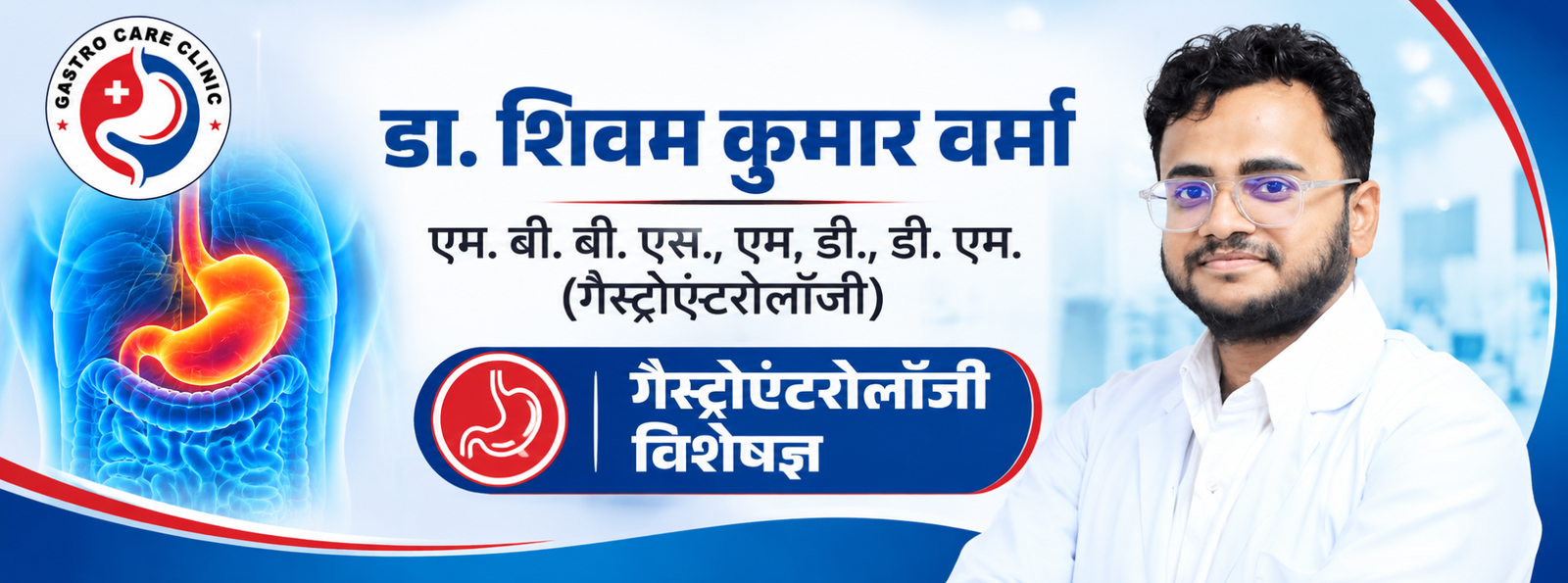
Dr. Shivam Kumar Verma | Best Gastroenterologist in Gorakhpur Gastro Care Clinic, Gorakhpur
Introduction to Colonoscopy
Colonoscopy is an important diagnostic procedure used to examine the inner lining of the large intestine (colon) and rectum. It helps gastroenterologists identify digestive problems such as colon polyps, intestinal inflammation, unexplained bleeding and colorectal cancer. If you are experiencing persistent abdominal pain, changes in bowel habits, blood in your stool or unexplained weight loss, your doctor may recommend a colonoscopy.
At Gastro Care Clinic, Gorakhpur, Dr. Shivam Kumar Verma, MBBS, MD (Medicine), BHU, DM (Gastro), provides consultation for various digestive and gastrointestinal conditions. A proper evaluation helps determine whether a colonoscopy is required and how to prepare for it.
What Is a Colonoscopy?
A colonoscopy is a minimally invasive medical procedure in which a gastroenterologist uses a thin, flexible tube called a colonoscope. It has a small camera and light at its tip, allowing the doctor to examine the inside of the colon and rectum on a monitor.
During the procedure, the doctor can identify abnormalities, take small tissue samples (biopsies) and remove certain colon polyps when appropriate. Colonoscopy is commonly used to investigate digestive symptoms and screen for colorectal cancer in people who meet the recommended screening criteria.
Why Is Colonoscopy Recommended?
A gastroenterologist may recommend colonoscopy for several medical reasons, including:
- Blood in Stool: To investigate rectal bleeding and identify possible causes, such as haemorrhoids, inflammation, polyps or other intestinal conditions.
- Persistent Abdominal Pain: To examine the colon when ongoing abdominal pain requires further investigation.
- Chronic Diarrhoea: To identify possible causes of long-lasting diarrhoea, including inflammatory bowel disease.
- Chronic Constipation: To investigate persistent constipation when symptoms or other clinical findings indicate the need for further examination.
- Unexplained Weight Loss: To investigate unexplained weight loss when associated with gastrointestinal symptoms.
- Colon Polyps: To detect and remove certain polyps that may develop into colorectal cancer.
- Colorectal Cancer Screening: To screen eligible individuals and identify precancerous changes or early signs of colorectal cancer.
- Inflammatory Bowel Disease: To assess conditions such as ulcerative colitis and Crohn’s disease when clinically indicated.
How Is a Colonoscopy Performed?
Colonoscopy is generally performed in a hospital or an appropriately equipped endoscopy centre. The procedure usually involves the following steps.
1. Patient Preparation
Before the procedure, the patient receives instructions about bowel preparation. A prescribed laxative is generally used to empty the colon so that the doctor can clearly examine its lining.
2. Sedation and Positioning
Depending on the patient’s condition and the facility, sedation may be provided to improve comfort. The patient is usually asked to lie on their left side.
3. Insertion of the Colonoscope
The doctor gently inserts the flexible colonoscope through the anus and guides it through the rectum into the colon. The camera transmits images to a monitor for examination.
4. Examination of the Colon
The gastroenterologist carefully examines the intestinal lining for polyps, inflammation, ulcers, bleeding and other abnormalities.
5. Biopsy or Polyp Removal
If necessary, small tissue samples may be collected for laboratory testing. Certain polyps can also be removed during the procedure.
6. Recovery and Observation
After the examination, the patient is monitored until the effects of sedation have sufficiently worn off. Most patients can return home on the same day, provided there are no complications.
How to Prepare for a Colonoscopy
Proper preparation is essential for an accurate examination. Your gastroenterologist may recommend the following:
- Follow the prescribed low-fibre or clear-liquid diet before the procedure.
- Take the bowel-cleansing medication exactly as instructed.
- Avoid foods and drinks that your doctor has advised you to avoid.
- Inform your doctor about all medicines, especially blood thinners and diabetes medications.
- Discuss any allergies, existing medical conditions or previous reactions to sedation.
- Arrange for someone to accompany you home if sedation is planned.
Incomplete bowel preparation can make it difficult to examine the colon and may require the procedure to be repeated.
Benefits of Colonoscopy
Colonoscopy offers several important diagnostic and preventive benefits.
- Early Detection: Helps detect abnormalities in the colon, including early colorectal cancer.
- Polyp Removal: Allows certain precancerous polyps to be removed during the same procedure.
- Accurate Diagnosis: Helps investigate unexplained gastrointestinal symptoms.
- Biopsy Facility: Enables tissue sampling for further laboratory examination.
- Assessment of Intestinal Diseases: Helps diagnose and monitor selected inflammatory bowel conditions.
- Cancer Prevention: Removing certain precancerous polyps can reduce the risk of developing colorectal cancer.
Is Colonoscopy Safe?
Colonoscopy is generally considered a safe procedure when performed by trained medical professionals. However, as with any medical procedure, certain risks exist.
Possible complications include:
- Temporary abdominal bloating or cramps
- Minor bleeding, particularly after a biopsy or polyp removal
- Reactions to sedative medication
- Rarely, bowel perforation or significant bleeding
Severe abdominal pain, fever, heavy rectal bleeding or dizziness after colonoscopy requires prompt medical attention. Your doctor will explain the benefits and risks based on your individual health.
Recovery After Colonoscopy
Most patients recover quickly following a colonoscopy. Mild bloating or gas may occur because air or carbon dioxide is used during the examination. These symptoms usually improve within a short time.
Patients who receive sedation should avoid driving, operating machinery and making important decisions for the period advised by their doctor. Follow the doctor’s instructions regarding food, medicines and normal activities.
If a biopsy or polyp removal has been performed, additional recovery instructions may apply.
When Should You Consult a Gastroenterologist?
You should consult a gastroenterologist if you experience persistent abdominal pain, unexplained rectal bleeding, long-lasting diarrhoea, significant changes in bowel habits or unexplained weight loss. Early medical evaluation can help identify the underlying cause and determine whether further investigations are needed.
Consult Dr. Shivam Kumar Verma – Gastroenterologist in Gorakhpur
Dr. Shivam Kumar Verma
MBBS, MD (Medicine), BHU, DM (Gastro)
Gastroenterologist | Gastro Care Clinic, Gorakhpur
Gastro Care Clinic
Beyond AIIMS Thana, Singhariya Chauraha, Gorakhpur, Uttar Pradesh
9569538588 / 9569500988