

Blood in Vomiting: Causes, Symptoms, Diagnosis & Treatment
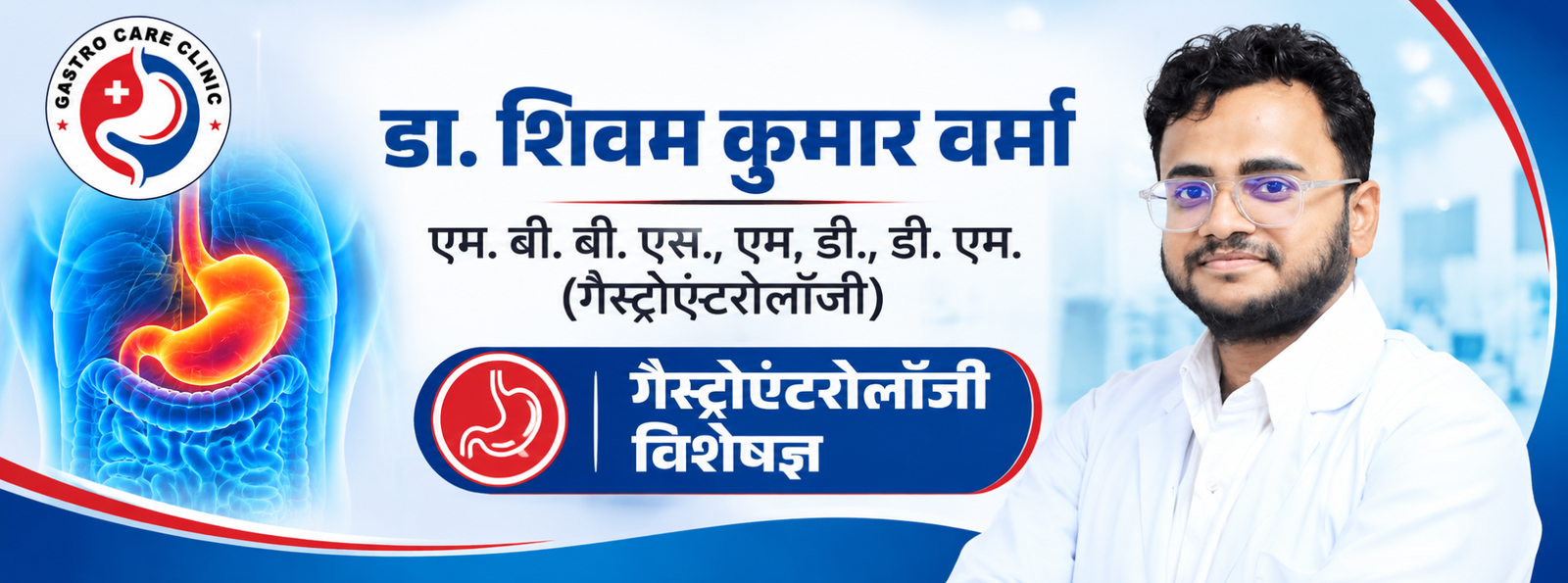
Blood in Vomiting (Hematemesis) – Consult Dr. Shivam Kumar Verma, Best Gastro Doctor in Gorakhpur
Vomiting blood, medically known as hematemesis, is a symptom that should never be ignored. Blood in vomit may appear bright red, dark brown, or may look like coffee grounds. It can indicate bleeding from the upper digestive system, including the food pipe (esophagus), stomach, or upper part of the small intestine.
If you notice blood while vomiting, especially along with dizziness, weakness, fainting, black stools, or severe abdominal pain, seek immediate medical attention.
What Does Blood in Vomiting Mean?
Blood in vomit can occur when there is bleeding somewhere in the upper gastrointestinal (GI) tract. The amount and appearance of blood can vary depending on the location and severity of bleeding.
Fresh bleeding may appear bright red, while blood that has remained in the stomach for some time may appear dark brown or coffee-ground-like.
Blood in vomiting can sometimes be associated with conditions such as stomach ulcers, gastritis, esophageal problems, liver-related complications, or a tear caused by repeated vomiting.
Common Causes of Blood in Vomiting
Several conditions can cause hematemesis, including:
1. Stomach or Peptic Ulcer
Peptic ulcers can damage blood vessels in the stomach or duodenum and cause gastrointestinal bleeding. H. pylori infection, certain painkillers such as NSAIDs, and some blood-thinning medicines can increase the risk.
2. Gastritis
Inflammation or damage to the stomach lining can sometimes cause bleeding. Gastritis may be associated with abdominal discomfort, nausea, vomiting, or indigestion.
3. Esophageal Varices
Enlarged veins in the esophagus, known as esophageal varices, can bleed significantly. They are often associated with advanced liver disease and require urgent medical evaluation.
4. Tear Due to Severe Vomiting
Repeated or forceful vomiting can cause a tear in the lower esophagus, known as a Mallory-Weiss tear, which may result in blood appearing in vomit.
5. Esophagitis and Acid Reflux
Inflammation or damage of the esophagus may sometimes lead to bleeding. Severe gastroesophageal reflux disease (GERD) can contribute to irritation of the esophageal lining.
6. Other Digestive Conditions
Less commonly, gastrointestinal bleeding may be associated with abnormal blood vessels, tumors, or cancers of the digestive tract. The exact cause needs to be determined by a qualified doctor.
Symptoms That May Occur Along With Blood in Vomiting
Depending on the severity and cause, a person may experience:
- Bright red blood in vomit
- Dark or coffee-ground-like vomit
- Black, tarry stools
- Abdominal pain or discomfort
- Dizziness or lightheadedness
- Weakness or fatigue
- Shortness of breath
- Pale or clammy skin
- Fast heartbeat
- Fainting
Severe gastrointestinal bleeding can cause shock, which is a medical emergency.
When Should You Seek Emergency Medical Care?
Vomiting blood requires immediate medical assessment. Do not wait for the bleeding to stop on its own.
Emergency symptoms may include:
- Large amounts of blood in vomit
- Repeated vomiting of blood
- Fainting or severe dizziness
- Confusion
- Rapid breathing
- Pale, cold, clammy skin
- Very fast heartbeat
- Black, tarry stools
- Severe abdominal pain
These symptoms can indicate significant blood loss and require urgent treatment.
How Is Blood in Vomiting Diagnosed?
A gastroenterologist may evaluate your medical history, symptoms, medications, blood pressure, heart rate, and other clinical findings.
Depending on the situation, investigations may include:
- Blood tests
- Hemoglobin and other blood investigations
- Stool tests when required
- Upper GI endoscopy
- Imaging tests in selected cases
An upper GI endoscopy allows the doctor to examine the esophagus, stomach, and duodenum. In some cases, the source of bleeding can also be treated during the endoscopy.
Treatment for Blood in Vomiting
Treatment depends on the cause, location, and severity of bleeding. Doctors may use medicines, endoscopic procedures, or other treatments depending on the individual case.
During endoscopy, doctors may sometimes stop bleeding using techniques such as clips, injection therapy, thermal treatment, or other endoscopic methods. Severe or persistent bleeding may require additional procedures or surgery.
Patients taking blood thinners or painkillers such as NSAIDs should inform their doctor because these medicines can affect gastrointestinal bleeding risk. Do not stop prescribed medicines without medical advice.
Why Choose a Gastroenterologist for Blood in Vomiting?
Blood in vomiting can have multiple causes, and identifying the actual source is important for appropriate treatment. A gastroenterologist specializes in diseases of the digestive system, including the esophagus, stomach, intestine, liver, pancreas, and gallbladder.
For patients searching for a gastro doctor in Gorakhpur, timely consultation is especially important when vomiting blood or other symptoms of GI bleeding are present.
Consult Dr. Shivam Kumar Verma – Gastro Doctor in Gorakhpur
Dr. Shivam Kumar Verma is a gastroenterology specialist associated with Gastro Care Clinic, Gorakhpur. He provides evaluation and treatment for digestive and gastrointestinal conditions.
Patients experiencing symptoms such as blood in vomiting, stomach pain, gastritis, acidity, vomiting, liver problems, digestive disorders, or other gastrointestinal symptoms should seek appropriate medical evaluation.
Gastro Care Clinic
Location: Beyond AIIMS Thana, Singhariya Chauraha, Gorakhpur, Uttar Pradesh
Consultation: Dr. Shivam Kumar Verma
Speciality: Gastroenterology
Frequently Asked Questions
Is blood in vomit dangerous?
Yes. Vomiting blood can indicate gastrointestinal bleeding and may sometimes become serious or life-threatening. Immediate medical evaluation is recommended.
What does coffee-ground vomit mean?
Dark brown or coffee-ground-like vomit can represent blood that has been exposed to stomach acid. It can be a sign of upper gastrointestinal bleeding and requires medical assessment.
Can gastritis cause blood in vomiting?
Yes. Severe gastritis or damage to the stomach lining can sometimes cause bleeding and blood in vomit.
Can an ulcer cause vomiting blood?
Yes. Bleeding stomach or duodenal ulcers are an important cause of vomiting blood.
Is endoscopy required for blood in vomiting?
An upper GI endoscopy may be recommended to identify the source of upper gastrointestinal bleeding and, in some cases, treat the bleeding during the same procedure.
Conclusion
Blood in vomiting should never be ignored. It can be caused by conditions ranging from gastritis and ulcers to esophageal varices and tears caused by severe vomiting. Early evaluation can help identify the source of bleeding and guide appropriate treatment.
If you are experiencing blood in vomiting in Gorakhpur, consult a qualified gastroenterologist promptly. For gastrointestinal problems and digestive health concerns, Dr. Shivam Kumar Verma at Gastro Care Clinic, Gorakhpur, can provide specialist evaluation and appropriate medical guidance.
Important: If you are currently vomiting a significant amount of blood, feeling faint, confused, extremely weak, or showing signs of shock, seek emergency medical care immediately rather than waiting for a routine consultation.