

Endoscopy: A Safe and Effective Diagnostic Procedure for Digestive Problems
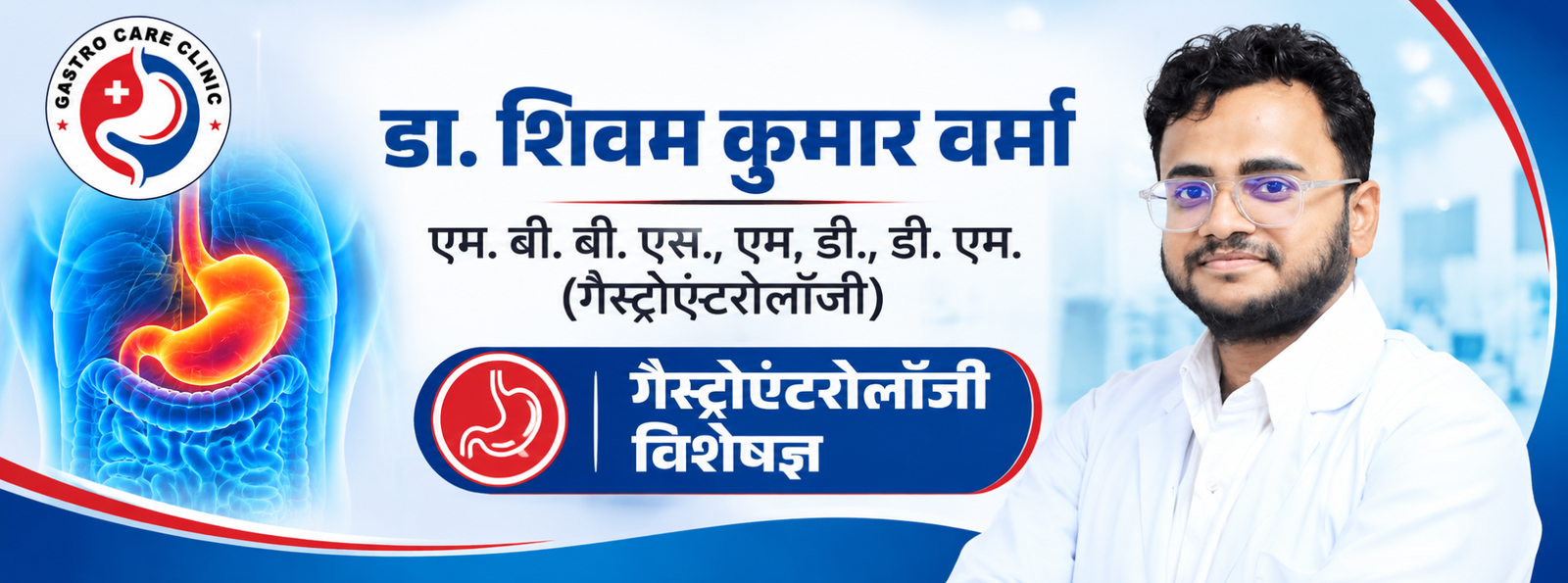
Dr. Shivam Kumar Verma – Gastroenterologist
Gastro Care Clinic, Gorakhpur
Introduction
Endoscopy is an important diagnostic procedure used by gastroenterologists to examine the inner lining of the digestive tract. It helps doctors identify the cause of symptoms such as persistent abdominal pain, acidity, vomiting, difficulty swallowing, gastrointestinal bleeding, and unexplained weight loss.
At Gastro Care Clinic, Gorakhpur, Dr. Shivam Kumar Verma provides consultation and guidance for patients requiring evaluation and treatment of various digestive disorders.
Endoscopy is an important diagnostic procedure used by gastroenterologists to examine the inner lining of the digestive tract. It helps doctors identify the cause of symptoms such as persistent abdominal pain, acidity, vomiting, difficulty swallowing, gastrointestinal bleeding, and unexplained weight loss.
At Gastro Care Clinic, Gorakhpur, Dr. Shivam Kumar Verma provides consultation and guidance for patients requiring evaluation and treatment of various digestive disorders

What Is Endoscopy?
Endoscopy is a minimally invasive procedure in which a thin, flexible tube called an endoscope is used to view the digestive tract. The endoscope has a small camera and light at its tip, allowing the gastroenterologist to examine the digestive organs clearly.
An upper gastrointestinal endoscopy (UGI endoscopy) is commonly used to examine the:
- Food pipe (Oesophagus)
- Stomach
- First part of the small intestine (Duodenum)
During the procedure, the doctor may also take a small tissue sample, known as a biopsy, when necessary.
When Is Endoscopy Recommended?
A gastroenterologist may recommend an endoscopy when a patient has:
- Persistent acidity or heartburn
- Recurrent abdominal or upper abdominal pain
- Difficulty or pain while swallowing
- Persistent nausea or vomiting
- Vomiting blood
- Black or tarry stools
- Unexplained weight loss
- Suspected stomach ulcer
- Gastroesophageal reflux disease (GERD)
- Suspected gastritis
- Unexplained anaemia or gastrointestinal blood loss
Endoscopy can help determine the underlying cause of these symptoms and assist the doctor in planning appropriate treatment.
What Conditions Can Endoscopy Detect?
Upper GI endoscopy can help evaluate several digestive conditions, including:
- Gastritis
- Peptic ulcers
- GERD-related changes
- Esophageal inflammation
- Gastrointestinal bleeding
- Esophageal or gastric abnormalities
- Polyps and other lesions
- Certain digestive tract cancers
A biopsy may be performed during endoscopy if the doctor needs tissue for laboratory examination.
How Is an Endoscopy Performed?
Before the procedure, the patient is generally advised to remain fasting for a specified period. The gastroenterologist explains the procedure and any necessary precautions.
During an upper GI endoscopy, the endoscope is gently passed through the mouth into the oesophagus, stomach and duodenum. The camera provides images of the digestive tract on a monitor.
Depending on the procedure and the patient’s condition, appropriate sedation or throat anaesthesia may be used. The doctor may also perform a biopsy or certain therapeutic procedures during the examination when required.
Is Endoscopy Painful?
Many patients are concerned about discomfort during endoscopy. The procedure is generally well tolerated, and appropriate measures can be used to improve patient comfort. Some patients may experience temporary throat irritation, bloating or mild discomfort after the procedure.
Your gastroenterologist will explain the preparation, procedure and recovery instructions according to your individual needs.
Why Choose a Gastroenterologist for Endoscopy?
Endoscopy should be performed and interpreted by a trained gastroenterology professional. A gastroenterologist can evaluate your symptoms, determine whether endoscopy is appropriate, interpret the findings and recommend further management based on the results.
Dr. Shivam Kumar Verma is a gastroenterology specialist associated with Gastro Care Clinic, Gorakhpur, providing consultation for digestive and gastrointestinal problems.
Frequently Asked Questions
1. How long does an endoscopy take?
The examination itself is usually relatively short, although preparation and recovery can take additional time.
2. Can a biopsy be taken during endoscopy?
Yes. If required, the doctor can take a small tissue sample during the procedure for further examination.
3. Do I need to fast before endoscopy?
Usually, patients need to avoid food and liquids for a specified period before an upper GI endoscopy. Follow the specific instructions given by your doctor.
4. What should I do after endoscopy?
Follow your doctor’s post-procedure instructions. If sedation has been used, you may need someone to accompany you home and should avoid driving until advised otherwise.
5. When should I consult a gastroenterologist?
Persistent digestive symptoms, gastrointestinal bleeding, difficulty swallowing, unexplained weight loss or recurrent abdominal pain should be evaluated by a qualified healthcare professional.
Conclusion
Endoscopy is an important tool for diagnosing and, in some situations, treating digestive tract conditions. Early medical evaluation can help identify the cause of persistent gastrointestinal symptoms and guide appropriate treatment.
If you are experiencing ongoing acidity, abdominal pain, vomiting, swallowing difficulty, gastrointestinal bleeding or other digestive problems, consult a gastroenterologist for appropriate evaluation.
Gastro Care Clinic – Dr. Shivam Kumar Verma
Gastroenterology Consultation & Digestive Disease Care, Gorakhpur
Endoscopy in Gorakhpur | Dr. Shivam Kumar Verma | Gastro Care Clinic
Learn about endoscopy, its uses, preparation, procedure and benefits. Consult Dr. Shivam Kumar Verma, gastroenterologist at Gastro Care Clinic, Gorakhpur.
Endoscopy in Gorakhpur, Gastroenterologist in Gorakhpur, Endoscopy Doctor Gorakhpur, Upper GI Endoscopy, Digestive Disease Specialist, Dr Shivam Kumar Verma, Gastro Care Clinic Gorakhpur