

Internal Hemorrhoids: Symptoms, Causes, Diagnosis & Treatment in Gorakhpur
Internal hemorrhoids, commonly known as piles, are swollen blood vessels that develop inside the lower rectum and anal canal. They are a common digestive and anorectal condition and may cause symptoms such as bright-red bleeding during bowel movements, discomfort, itching, or tissue coming out through the anus.
If you are experiencing repeated rectal bleeding, constipation, or difficulty during bowel movements, it is important not to ignore the symptoms. Rectal bleeding can have several causes, so proper evaluation by an experienced gastroenterologist is recommended.
What Are Internal Hemorrhoids?
Internal hemorrhoids develop inside the lining of the anus and lower rectum. Unlike external hemorrhoids, they are usually not visible from outside.
In the early stages, internal hemorrhoids may not cause pain. However, they can cause bright-red blood on toilet paper, on the surface of stool, or in the toilet bowl after passing stool. In more advanced cases, hemorrhoids can prolapse and come out through the anal opening.
Common Symptoms of Internal Hemorrhoids
The symptoms of internal hemorrhoids may include:
- Bright-red rectal bleeding after bowel movements
- Blood on toilet paper or in the toilet bowl
- A feeling of incomplete bowel evacuation
- Tissue protruding from the anus
- Anal discomfort or irritation
- Mucus discharge
- Itching around the anus
- Difficulty passing stool
- Symptoms associated with constipation or excessive straining
Internal hemorrhoids that have not prolapsed are generally painless. Pain or significant discomfort may occur when a hemorrhoid prolapses or develops complications.
What Causes Internal Hemorrhoids?
Several factors can increase the risk of developing hemorrhoids. Common causes and contributing factors include:
1. Chronic Constipation
Hard stools and repeated straining can increase pressure on the veins around the rectum.
2. Excessive Straining
Pushing too hard during bowel movements can contribute to hemorrhoid formation and worsening symptoms.
3. Prolonged Toilet Sitting
Spending a long time sitting on the toilet may increase pressure in the anal region.
4. Low-Fiber Diet
A diet low in fiber can lead to hard stools and constipation.
5. Chronic Diarrhea
Frequent bowel movements and irritation can also contribute to hemorrhoidal symptoms.
6. Pregnancy
Increased pressure in the pelvic region during pregnancy can increase the likelihood of hemorrhoids.
7. Heavy Lifting
Frequent heavy lifting may increase abdominal pressure and contribute to hemorrhoidal symptoms.
Diagnosis of Internal Hemorrhoids
A gastroenterologist generally begins with a detailed medical history and physical examination. Depending on the symptoms, examination may include a digital rectal examination or anoscopy to assess the anal canal and lower rectum.
If rectal bleeding is persistent, unexplained, or associated with other concerning symptoms, additional investigations such as colonoscopy may sometimes be recommended to identify other possible causes of bleeding.
Internal Hemorrhoids Treatment
Treatment depends on the severity of symptoms and the grade of the hemorrhoids.
Dietary and Lifestyle Management
For many patients, initial treatment focuses on improving bowel habits. Increasing dietary fiber and maintaining adequate fluid intake can help make stools softer and easier to pass.
Patients are generally advised to:
- Eat more fiber-rich foods
- Drink adequate water
- Avoid excessive straining
- Avoid prolonged toilet sitting
- Treat constipation appropriately
- Maintain regular bowel habits
Dietary and behavioral modifications are considered first-line treatment for symptomatic hemorrhoids.
Medical Treatment
Depending on individual symptoms, a doctor may recommend medicines or topical treatments to provide relief from discomfort, itching, swelling, or other symptoms.
Treatment should be selected according to the patient’s condition rather than relying on self-medication.
Rubber Band Ligation
For selected internal hemorrhoids that continue to cause bleeding or prolapse despite conservative treatment, rubber band ligation is a commonly used office-based procedure.
During the procedure, a small band is placed around the base of the hemorrhoid to reduce its blood supply. The hemorrhoidal tissue subsequently shrinks.
Sclerotherapy and Infrared Coagulation
Selected patients may also benefit from procedures such as injection sclerotherapy or infrared coagulation. These treatments aim to reduce blood flow to the hemorrhoidal tissue and help control symptoms.
Surgical Treatment
More advanced or persistent hemorrhoids may require surgical treatment. The appropriate procedure depends on the grade, prolapse, symptoms, and overall health of the patient.
Current clinical guidance generally reserves surgery for appropriately selected patients, particularly those with advanced prolapsing disease or symptoms that do not respond adequately to less invasive treatments.
When Should You See a Gastroenterologist?
You should consult a gastroenterologist if you experience:
- Repeated rectal bleeding
- Blood in or on the stool
- Persistent constipation
- A lump or tissue coming out of the anus
- Persistent anal discomfort or itching
- Symptoms that do not improve with basic lifestyle measures
- Heavy or recurrent bleeding
Do not automatically assume that every episode of rectal bleeding is caused by piles. Other digestive conditions can also cause bleeding, and appropriate evaluation is important.
Preventing Internal Hemorrhoids
Some simple lifestyle measures may help reduce the risk of hemorrhoids and prevent symptoms from worsening:
- Include fruits, vegetables, whole grains and other fiber-rich foods in your diet.
- Drink adequate fluids.
- Avoid unnecessary straining during bowel movements.
- Do not spend excessive time on the toilet.
- Manage constipation early.
- Maintain regular physical activity.
- Seek medical advice if rectal bleeding continues.
Internal Hemorrhoids Treatment in Gorakhpur
If you are looking for internal hemorrhoids treatment in Gorakhpur, consulting an experienced gastroenterologist can help determine the cause of your symptoms and the most appropriate treatment.
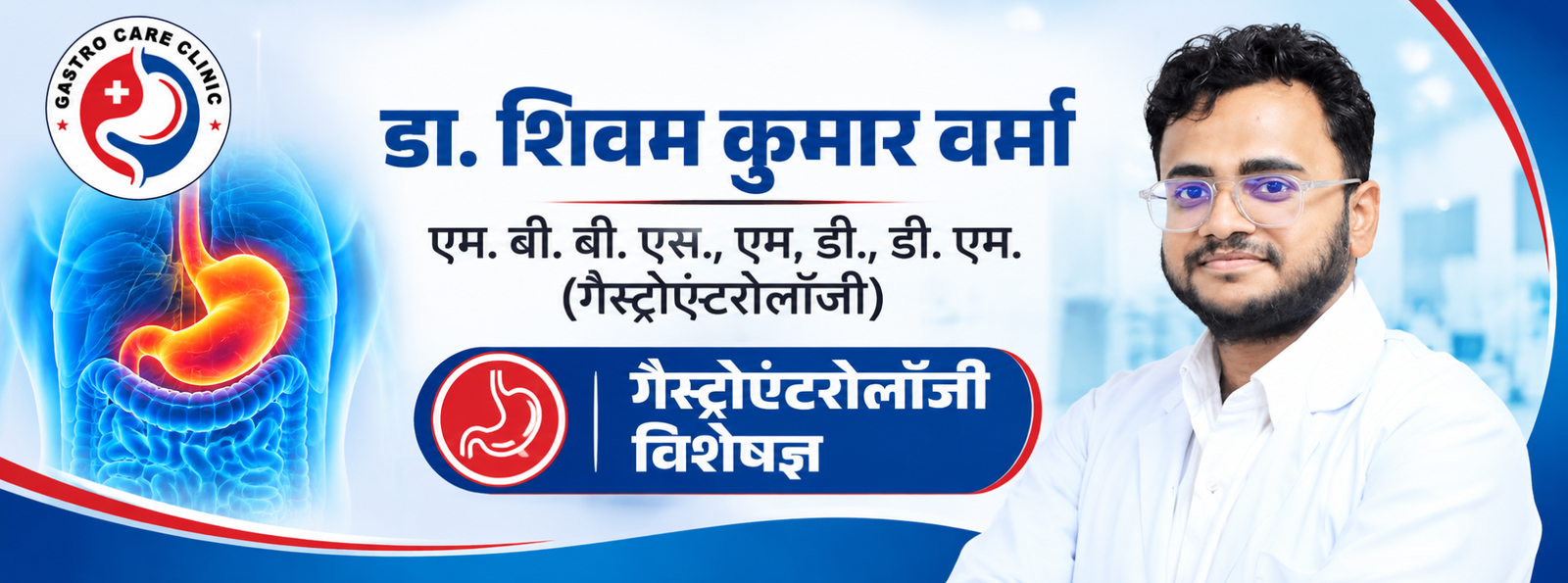
Dr. Shivam Kumar Verma is a gastroenterology specialist associated with Gastro Care Clinic, Gorakhpur. He provides evaluation and management of digestive and gastrointestinal conditions, including problems associated with constipation, rectal bleeding and hemorrhoids.
For patients searching for a gastro doctor in Gorakhpur, proper diagnosis is an important first step before selecting a treatment plan.
Gastro Care Clinic
Dr. Shivam Kumar Verma
MBBS, MD (Medicine), BHU, DM (Gastro)
Former Assistant Professor, BRD Medical College, Gorakhpur
Location: Beyond AIIMS Thana, Singhariya Chauraha, Gorakhpur, Uttar Pradesh
Appointment: 9569538588 / 9569500988
Frequently Asked Questions About Internal Hemorrhoids
Are internal hemorrhoids painful?
Early internal hemorrhoids are often painless. Pain may occur when hemorrhoids prolapse or develop complications.
Is bleeding always caused by piles?
No. Rectal bleeding can have several causes. Persistent or unexplained bleeding should be evaluated by a healthcare professional.
Can constipation cause internal hemorrhoids?
Constipation and straining during bowel movements are important contributing factors. Increasing fiber and fluids and improving bowel habits can help reduce symptoms.
Can internal hemorrhoids be treated without surgery?
Yes. Many symptomatic hemorrhoids can initially be managed with dietary and lifestyle changes. Selected patients may also benefit from office-based treatments such as rubber band ligation, sclerotherapy, or infrared coagulation.
When should I consult a gastroenterologist?
Consult a doctor if you have rectal bleeding, persistent symptoms, prolapse, significant discomfort, or symptoms that do not improve with basic measures.
Conclusion
Internal hemorrhoids are a common condition and can often be effectively managed when diagnosed and treated appropriately. Maintaining a high-fiber diet, drinking adequate fluids, avoiding straining, and managing constipation can help reduce symptoms. When bleeding or prolapse continues, professional evaluation is important to determine whether hemorrhoids are responsible and whether medical or procedural treatment is needed.
If you are searching for the best gastro doctor in Gorakhpur for internal hemorrhoids, piles, rectal bleeding or other digestive problems, consult Dr. Shivam Kumar Verma at Gastro Care Clinic for appropriate evaluation and personalized treatment.